Trauma 101: Understanding The Basics

The word “trauma” gets thrown around a lot. This can be referred to experiences such as accidents, abuse, or war. Other times, it’s used casually to describe a bad date or a difficult Monday.
While language evolves, it’s important we don’t lose the gravity and definition of what trauma actually means.
This isn’t about gatekeeping pain. It’s about offering clarity. Because if you’re struggling to make sense of something that happened or didn’t happen, it’s worth understanding how trauma really happens. And more importantly, how the healing process can begin.
What Is Trauma, Really?
Psychologically, trauma refers to an emotional response to a traumatic event that overwhelms your ability to cope. The critical factor is that trauma is less about the specific incident and more about how your nervous system and body responded.
According to the American Psychological Association, trauma can be a single event (e.g. an assault or natural disaster), or a prolonged experience (e.g. ongoing neglect, racism, historical trauma, or living in a home where you never felt safe).
The impact of trauma doesn’t depend on how big or legitimate the event seems, it depends on how your system processed it.
In other words, trauma is not measured by the story. It’s measured by the psychological effects it leaves behind.
Types of Trauma
In therapy, we typically separate Big-T Trauma and Little-t trauma:
Big-T: Refers to incidents that are overwhelming or dangerous to survival (e.g., car accidents, witnessing violence, major loss).
Little-t: Experiences that don’t make headlines, but still chip away at your sense of safety and self-worth over time (e.g., chronic criticism, emotional abandonment, or repeated interpersonal interactions that felt invalidating).
There’s also complex trauma, which refers to prolonged exposure to multiple or ongoing traumatic experiences, often beginning in childhood. These experiences are also known as adverse childhood experiences, or ACEs.
Whether the trauma was acute or prolonged, the response can lead to trauma-related symptoms, dysregulation, or feelings of being disconnected from your body or surroundings.
It’s possible to have experienced both Big “T” and little “t” trauma and neither requires a trauma comparison contest. Your pain counts, even if someone else had it worse.

How Trauma Shows Up in Everyday Life
Trauma can present itself in ways beyond flashbacks or nightmares. Often, it shows up in more subtle, chronic ways and research supports this. Research keeps demonstrating how trauma broadly affects both emotional and physical health outcomes.
According to a Harvard Health article, unresolved trauma is linked to long-term issues like substance abuse, heart disease, and chronic inflammation.
These unhelpful coping patterns often begin as survival strategies.
The stress response that once protected us can turn inward over time, especially if left unaddressed.
Signs include:
- Always being on edge, scanning for danger
- Shutting down emotionally or feeling numb
- Difficulty trusting others
- Feeling shame or guilt you can’t explain
- Losing time or struggling with memory
- Trouble sleeping or concentrating
- Feelings of unexplained guilt or shame
- Panic, rage, or freeze responses that seem to come from nowhere
- Somatic symptoms like headaches, fatigue, or tics
These responses originate in your nervous system rather than being personal failings… they’re manifestations of trauma.
They developed as your body’s protective strategy, though they weren’t designed to continue long-term.
If you’re interested in the science behind how trauma changes brain function and nervous system patterns, this explanation of the neurobiology of trauma offers a helpful perspective.
Your Brain and Body on Trauma
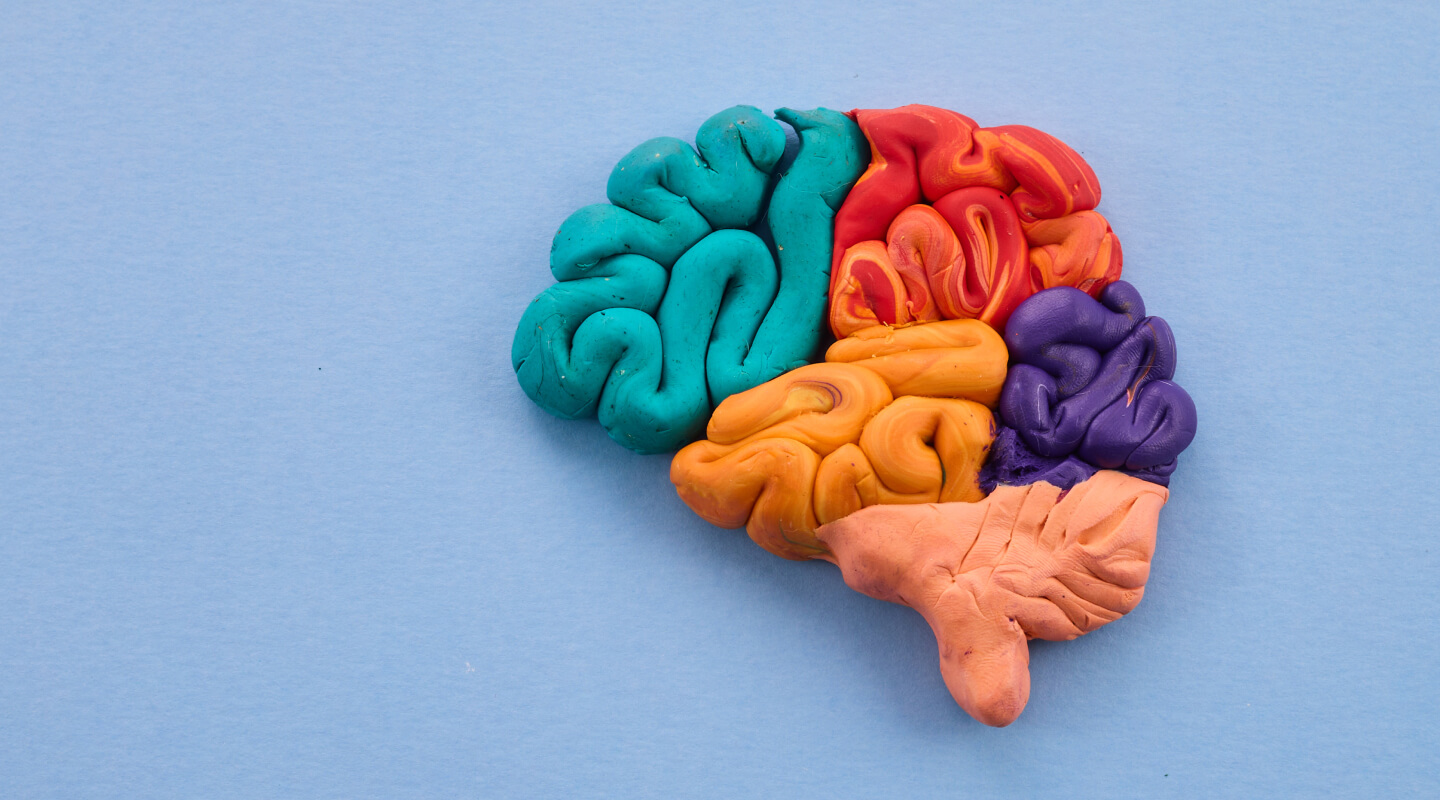
Trauma lives in the body. This isn’t just a metaphor, it’s biology.
During a traumatic event, your brain’s fear center (the amygdala) sounds the alarm.
The prefrontal cortex, responsible for reasoning and language processing, becomes inactive. This is why people often “shut down” or freeze during moments of fear.
Meanwhile, the hippocampus (involved in memory) might misfile or fragment memories.
This is why trauma responses often feel irrational because in that moment, they are.
Your brain prioritizes staying alive over thinking things through. Trauma researcher Bessel van der Kolk captured this in his well-known work, “The Body Keeps the Score.”
The psychological effects of trauma can ripple out into indigestion, sleep, posture, and mood … even decades later.
Trauma-Informed Care

Recovery isn’t about erasing memories or simply moving past experiences.
It’s about stabilization, creating safety, and reconnecting with your sense of self.
In other words, it means learning how to feel safe again…in your body, in relationships, in the world.
Effective trauma-specific interventions respect how the body and mind react to distress and aim to work with and not against those systems.
Some commonly used, evidence-based approaches includes:
- EMDR (Eye Movement Desensitization and Reprocessing) – Works to transform how distressing memories are processed, making them feel less dangerous.
- Somatic experiencing – Uses awareness of physical sensations and movement to release held survival energy.
- CBT or EFT – Uses tools to rebuild thought patterns and emotional resilience.
- Accelerated Resolution Therapy (ART): Combines rapid eye movements with guided imagery to support the brain’s ability to transform painful experiences.
- Internal Family Systems (IFS): Focuses on recognizing and healing injured aspects of the self while strengthening the core inner leader.
These therapeutic methods are supported by scientific research and follow safety-prioritized treatment principles.

What Trauma Is Not
Let’s clear a few things up about trauma…especially the myths that keep trauma survivors stuck in shame or confusion:
- Not a flaw. It’s a nervous system in overdrive. It’s a stress disorder, not a sign of fragility.
- Not always obvious. Some trauma comes from community violence, gender-based discrimination, or emotional neglect, and not just visible events.
-
Not invalid if you can’t remember it. The absence of memory doesn’t erase the effect on your body. Your body can store memories that your mind has no words for. Numbness, confusion, or gaps in memory are often signs of trauma, not proof that it “wasn’t that bad.”
-
Individual responses vary significantly. The same event can affect two people in entirely different ways. Your reaction is valid, even if others “seemed fine.”
- It’s not always PTSD. Trauma exists on a spectrum. You can struggle with trauma symptoms without meeting the criteria for a formal diagnosis.
When to Reach Out

If something in you feels stuck, unsafe, or too heavy to hold alone, it’s okay to ask for help.
Therapy helps maintain current awareness while carefully reviewing past events. It can be a space for sorting, naming, and making meaning.
You don’t have to meet a threshold of pain to seek help.
Key TakeAways
Healing trauma is not about “getting over it” but about healing and recovery. That means working with practitioners who understand trauma’s impact and approach care through a strengths-based, resiliency-focused lens.
Whether you’re just starting out or deep into your journey, know this: recovery from trauma is possible.
It’s not linear. It may be messy. But it’s yours.
Frequently Asked Questions About Trauma
1. How do I know if I’ve experienced trauma if I don’t remember anything specific?
You may not remember the traumatic event, but your body might. Patterns like dysregulation, anxiety, or emotional numbing are often signs. Care providers trained in working with trauma survivors can help explore these signals safely.
2. Can trauma affect my physical health?
Yes. Research, including a Harvard Health study, shows that unprocessed trauma is linked to conditions like chronic inflammation, heart disease, and digestive issues.
3. What’s the difference between trauma and PTSD?
Trauma is an experience. PTSD is a disorder with a diagnostic criteria. Many people experience trauma-related symptoms without having full PTSD.
4. Is it possible to heal from trauma even if it happened years ago?
Yes. The healing process is not limited by time. Whether the trauma was from childhood (ACE) or more recent, therapy can support healing trauma at any stage. Many therapies—such as EMDR, IFS, and ART—help people process trauma even decades later.
5. What’s the first step if I think I might be dealing with trauma?
Start by noticing patterns in your thoughts, emotions, and body. Then consider connecting with a trauma-informed practitioners who can help you make sense of those patterns in a safe, supportive space.
6. Do I have to talk about everything that happened to heal?
No. Some therapies, like ART, EMDR, and somatic experiencing, don’t require you to verbalize the full story. Healing is possible even if you can’t—or don’t want to—put everything into words.
FAQs About Get Reconnected Psychotherapy Services
1. What types of therapy do you offer?
Our practice provides individual counselling for various mental health concerns, such as anxiety, depression, self-esteem, people-pleasing, burnout, ADHD, phobias, trauma and PTSD, fertility-related mental health. We also offer couples counselling and select group workshops.
2. Do you specialize in trauma therapy?
Yes, we offer trauma-informed therapy Our practice utilizes approaches like Accelerated Resolution Therapy (ART), somatic-based therapy, and cognitive interventions to support clients in processing and recovering from traumatic experiences.
3. What approaches do you use in therapy?
We use a range of evidence-based approaches tailored to your needs, including:
- Cognitive Behavioral Therapy (CBT)
- Acceptance and Commitment Therapy (ACT)
- Dialectical Behavioural Therapy (DBT)
- Accelerated Resolution Therapy (ART)
- Somatic Therapy
- Mindfulness-Based Interventions (MBI)
- Emotionally Focused Therapy (EFT) for couples
- Gottman Method for relationship therapy
4. What’s the difference between psychotherapy and counseling?
Psychotherapy emphasizes in-depth emotional exploration to process historical experiences and develop healthier coping mechanisms for lasting transformation.
Counselling typically involves shorter-term, goal-oriented work addressing particular concerns or life circumstances. The most suitable approach depends on your individual situation and goals.
5. How do I know if therapy is right for me?
Therapeutic support may benefit you if you’re experiencing feelings of being overwhelmed, emotionally stuck, or facing difficulties with relationships, emotions, or major life changes.
If you’re unsure, scheduling a free consultation can help determine if therapy is a good fit.
- Do you offer virtual therapy sessions?
We deliver online psychotherapy services throughout Ontario using the Jane App.
- How do I book a session?
You can book a free consultation through our website, Get Reconnected Psychotherapy Services, or contact us via email.
The consultation allows us to explore your needs, address questions, and assess whether our services match your requirements.
Article Source : getreconnected.ca/trauma-10...
